

Be it for a sacred space or a seat of power, a common area or a private room, the ceiling represents the upper limit of livable space, as perceived from within. It transforms natural space into a domestic environment. Ceilings are paradoxical elements: their protective obstruction can be creatively turned into a physical or symbolic opening to the above, thus making present what they conceal.
In older and newer cultures alike, ceilings function not so much as a boundary of vision, but as a reflection of a reality which is otherwise not visible and which permeates or makes itself present through this particular physical border. The architecture of roofs and the treatment of the ceilings ultimately reflect a culture’s understanding and symbolic representation of what is above, a beyond opening from top to bottom.
Have you ever noticed a remarkable ceiling? How does it reflect the material heritage and spiritual intuitions of a culture?
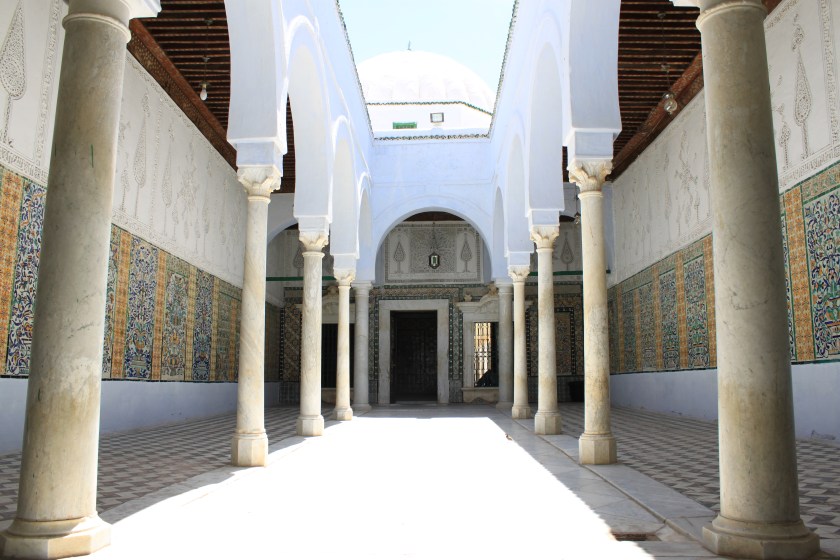 When passing one’s own cultural gate, an intermediate space opens up where the signs of one’s culture and of other(s) co-exist… The path features a new, unexpected opening – the opening above, the blinding light of the beyond offering that which cannot be anticipated or encompassed. Can you think of other such transitional spaces?
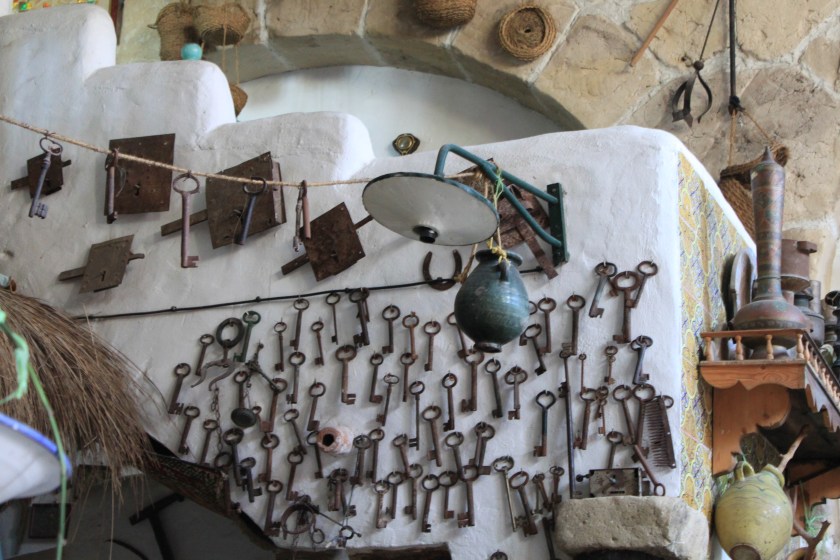 To pass the gate to cultural encounters and spiritual opening, it is necessary to find the key. We must each look for a key that fits our own horizon, our own gates back home. Some keys will not work, yet they must be tried. This too is part of the experience, preparing for what lies beyond…
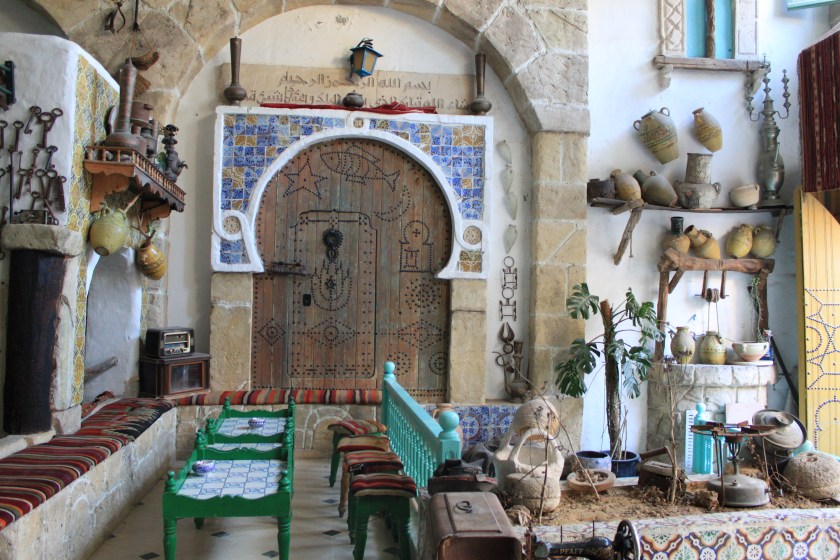 In looking at this gate to the world outside – a gate carrying the combined marks of distinct cultural spaces and spiritual traditions – one meditates on the potentialities beyond the gate, on the possibilities of encounters as anticipated by their cultural and mental horizon. This time the search is not solitary; it is pursued in the presence of others at home.
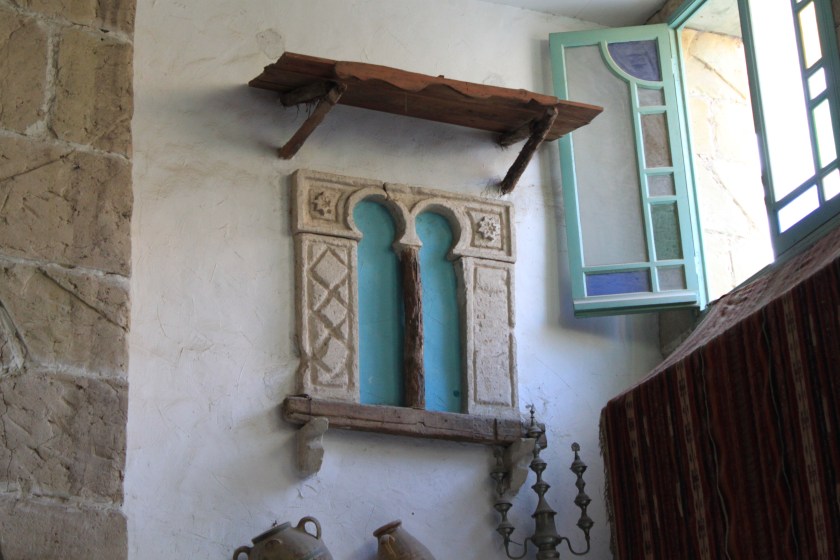 Looking at a window that only suggests the need to see beyond one’s own space; a suggestion of the need of the other, of the encounter outside one’s culture.
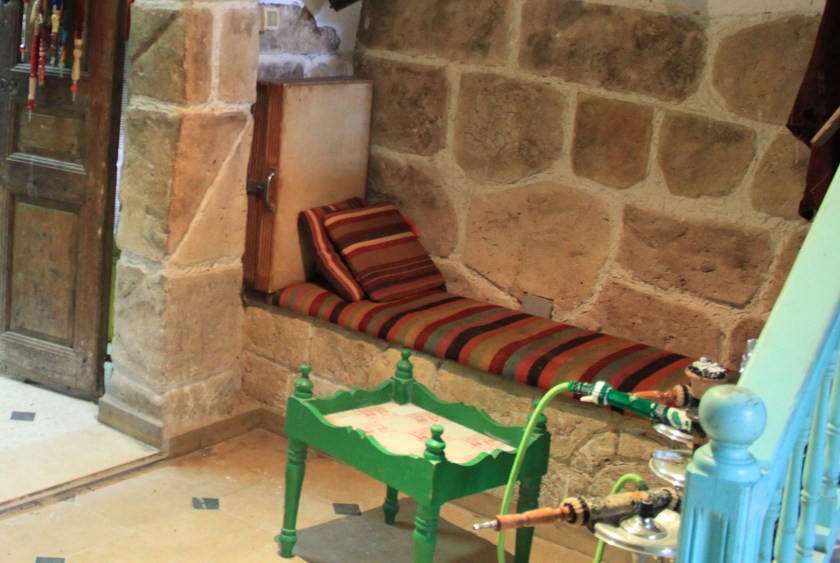 A personal contemplation of the necessity and potential significance of encountering the cultural other. Private, yet conducted in an open space. This is the place of departure, but also a place of return to meditate on the intercultural experience. Here is an example from the complex cultural environment of Northern Africa.
 RVP Iasi Center